 212-285-0900
How Long Do You Have to Report Abuse in a Nursing Home in NY?

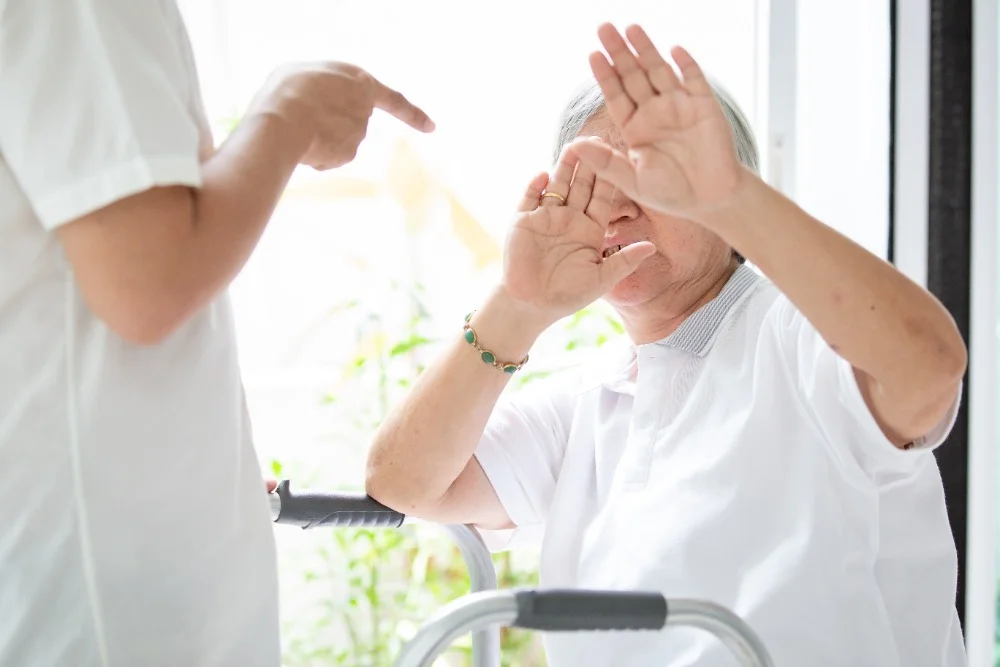
Families who entrust the care of an elderly loved one to a facility or caregiver expect them to be treated with dignity, safety, and compassion. Sadly, elder abuse remains a serious concern in New York and across the country. Knowing the warning signs can help you intervene early and protect your loved one from further harm.
At Menkes Law Firm, we have seen the devastating impact that neglect and abuse can have on seniors. We are committed to helping families recognize the red flags and take action.
Elder abuse can take many different forms, and the warning signs are not always obvious. In some cases, the person being harmed may be reluctant or unable to speak up. By staying alert to changes in physical health, behavior, and environment, families can better identify potential abuse.
Physical abuse may involve hitting, shoving, or improper use of restraints. Warning signs include:
These indicators suggest more than ordinary accidents and may point to intentional harm.
Neglect is one of the most common forms of abuse and occurs when basic needs are ignored.
Look for:
Consistent neglect can cause serious health consequences and should never be overlooked.
Emotional abuse can cause just as much harm as physical mistreatment. Possible signs include:
A decline in emotional well-being may indicate ongoing mistreatment or intimidation.
Seniors are often targeted for financial abuse. Watch for:
These red flags can signal that someone is taking advantage of an elder’s trust or vulnerability.
Sadly, abuse can occur at the hands of relatives. Loved ones should watch for the signs of elder abuse by family members, including:
When these patterns appear, they may show that a trusted relative is misusing their position of power.
Caregivers in nursing homes, assisted living facilities, or private residences can also cause harm. Common signs of elder abuse by a caregiver include:
Such behavior often signals that the person responsible for care is instead inflicting harm.
According to national studies and reports from the New York State Office for the Aging, neglect is considered the most common type of elder abuse. Many facilities in New York are understaffed, and residents may not receive the basic care they require. Neglect can be just as damaging as physical abuse, leading to infections, hospitalization, or long-term health complications. Recognizing this form of mistreatment early can save lives.
Spotting potential abuse is only the first step. Reporting concerns to authorities or consulting an attorney can help protect your loved one and stop harmful practices. In New York, agencies such as Adult Protective Services and the Long Term Care Ombudsman Program investigate complaints. However, these agencies cannot secure compensation for the harm caused.
That is where legal action may be necessary. An experienced attorney can investigate further, hold negligent caregivers accountable, and pursue financial recovery for medical expenses, emotional harm, and other damages.
At Menkes Law Firm, we know how devastating elder abuse can be for families. We purposely keep our caseload small so we can provide personal attention to every client. Families choose us because:
We are committed to protecting the dignity and safety of New York’s elderly residents.
If you believe your loved one is showing the signs of elder abuse, do not wait to act. Early intervention can prevent further harm and protect their well-being.
Contact Menkes Law Firm today to speak with an elder abuse attorney. We will listen to your concerns, review your options, and provide the strong, compassionate representation your family deserves. At our firm, every case receives the personal care and relentless advocacy that larger firms often cannot provide.