 212-285-0900
How Long Do You Have to Report Abuse in a Nursing Home in NY?

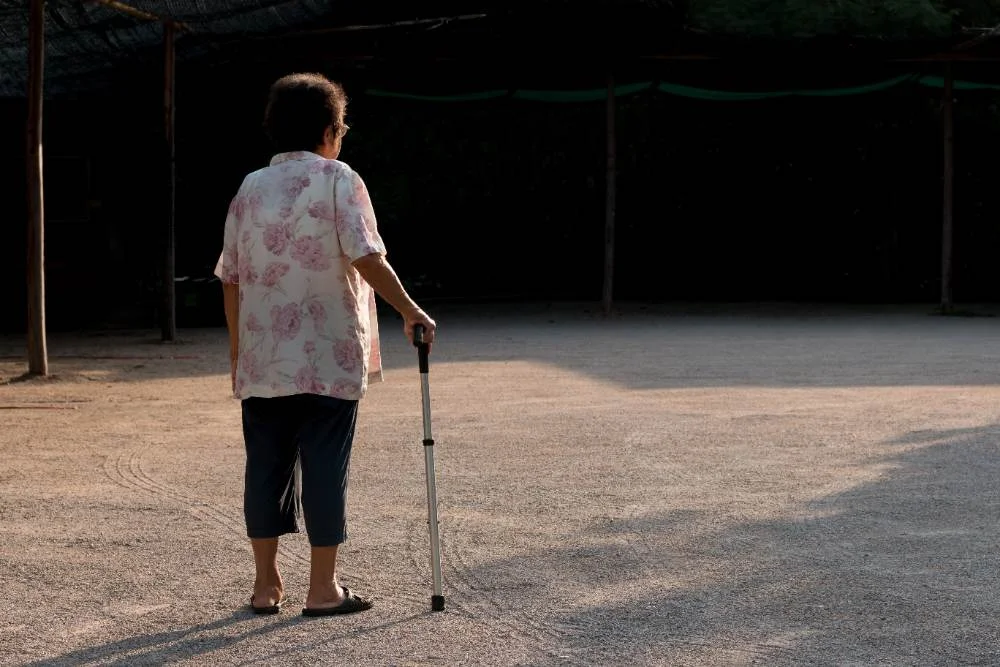
Realizing that a loved one may have been mistreated in a nursing home is a devastating moment for any family. You may feel shock, guilt, or anger while figuring out what’s happening and how to protect them. Many families begin this journey by searching for information about the signs of nursing home abuse and neglect so they can act quickly and safeguard their loved one’s rights.
At Menkes Law Firm, we understand how overwhelming this situation feels. For over 30 years, we’ve guided New York families through identifying neglect, reporting it, and taking legal action when necessary.
This article will help you recognize the warning signs and show you what to do if you suspect abuse in a nursing home so you can take steps toward justice.
Nursing home abuse and neglect can take many forms, and warning signs are not always apparent at first. Being alert to subtle changes can help you intervene before conditions worsen. Here are five common signs of nursing home neglect and abuse to watch for.
Bruises, cuts, fractures, or head injuries without a clear explanation may indicate rough handling, unsafe conditions, or outright physical abuse. Look for recurring injuries or injuries in unusual places, and note any hesitation or inconsistent stories from staff when asked how they occurred.
Watch for any skin breakdown on your loved one’s body, especially on the heels, hips, lower back, or elbows. These sores can start as redness or irritation and may progress to open wounds exposing deeper tissue if not addressed. If you notice pressure spots, wounds that don’t heal, or signs of infection, it’s a signal to ask questions about their care and get medical attention immediately.
Dirty bedding, soiled clothing, strong odors, or unclean bathrooms are signs the facility is not meeting minimum care standards. Cluttered hallways, broken equipment, or a lack of safety rails can also show a disregard for resident safety and increase the risk of falls.
Rapid weight loss, signs of malnutrition, or dehydration can point to neglect in providing food and fluids or monitoring dietary needs. In older adults, these problems can quickly lead to weakened immune systems, hospitalizations, or even death.
Withdrawal, fearfulness, anxiety, or depression may indicate emotional abuse, mistreatment, or a loss of dignity in care. Even subtle changes like flinching at touch, refusing to speak, or uncharacteristic aggression can be an early warning sign that something is wrong.
If you suspect your loved one is being mistreated, acting quickly can protect them and preserve evidence for a possible claim. Here’s how to respond.
Keep a detailed journal of each visit with your loved one, noting dates, times, and anything unusual you observe about their condition or surroundings. Use your phone or a camera to take clear, time-stamped photos of injuries, living areas, or anything else that seems concerning so you have a visual record to refer back to later.
Arrange for a trusted healthcare professional not affiliated with the facility to examine your loved one. This outside assessment can provide an unbiased picture of their condition and create medical documentation that you can use.
Speak with facility management about what you’ve observed, and ask for a written response or a copy of your loved one’s care plan. Even if the issue isn’t resolved immediately, this creates an internal record of your complaint and shows you tried to address the problem.
You can file a complaint with the New York State Department of Health, which investigates nursing home abuse and neglect. You can use the online complaint form, call the hotline at 1-888-201-4563, or mail, fax, or email the form.
Reach out to an experienced lawyer as soon as possible. An attorney can advise you on your rights, preserve evidence, file a civil claim within New York’s deadlines, and build a case to hold the facility accountable. Having a lawyer on your side also signals you’re serious about protecting your loved one.
Remaining vigilant for signs of nursing home abuse and neglect can point to serious problems in a facility. Menkes Law Firm is here to guide you through this difficult time. Sheryl Menkes has secured multimillion-dollar jury verdicts and settlements for New Yorkers harmed by neglect and abuse, including one of the top ten verdicts in the state in 2017.
Our team works closely with medical professionals and investigators to uncover what happened, gather evidence, and build strong claims for seniors and their families. We offer free consultations and charge no fee unless we are successful, so you can focus on your loved one’s well-being without worrying about upfront costs.
If you believe your loved one is showing warning signs of mistreatment in a New York facility, Contact Menkes Law Firm today. We’ll listen to your story, explain your options, and fight for the justice and dignity your family member deserves.